Community Engaged Research
I have a long history of community engaged research characterized by feminist methodologies of collaborative research and writing. In much of my work, I not only accompany the movements and activists I study, but engage in collaborative research, writing and knowledge production based on long term relationships (some spanning twenty or thirty years). My research aims to decolonize research methods and understand how to center community members as knowledge producers in interpreting and analyzing data as well as in research design and methods. I came to research because I was invited to witness and hold the space for the power of women’s stories as well asked to document, analyze and preserve many Chicana, Mexicana, Indigenous, migrant, queer, and campesina activist histories. I have been invited to serve as an advisor to Indigenous organizations, helped to design and implement leadership development training, and provided structural and cultural competency training for service providers as requested. I have worked to provide archival and digital storytelling training so many of the individuals and communities I have worked with are empowered to use the means of knowledge production to tell their own stories and histories. I have led large scale digital history projects that have been guided by community-led design, grassroots participation, and student involvement in oral history, community archives, and digital storytelling and storymapping projects since 2011.
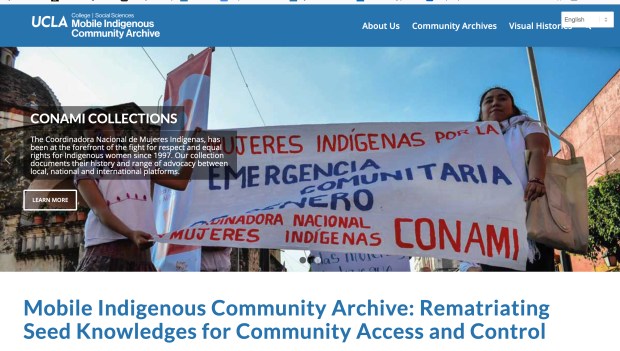
Mobile Indigenous Community Archives: Rematriating Seed Knowledges for Community Access and Control
The Mobile Indigenous Community Archive (Archivo Móvil de las Comunidades Indígenas) (MICA) is an Indigenous memory project and collaborative, community-based digital archive of social movements, organizations and communities. It was born out of, and is animated by, Indigenous organizing in Mexico and the transborder community building of the Latin American Indigenous diaspora in what is now the United States. Rather than acting as a repository, we decolonize the archive by cultivating Indigenous memory and shared knowledge as a seed bank. MICA provides technical assistance and labor to Indigenous organizations and community members in collecting and digitizing their documents, videos, photos, and ephemera to build and catalog their collections in ways that make sense to them. Knowledges, strategies, and stories of community survivance gathered and generated through MICA are then rematriated within social movement organizations and communities. Through our collaborative work, we reseed the art and practice of Indigenous resurgence and community organizing through intergenerational dialogue, digital exhibitions, and popular education, among other strategies.

Mapping Indigenous LA
Story mapping with multiple Indigenous community leaders, youth, and elders
in Los Angeles
Líderes Campesinas
A collaborative ethnography with the only statewide network of farm worker women in California
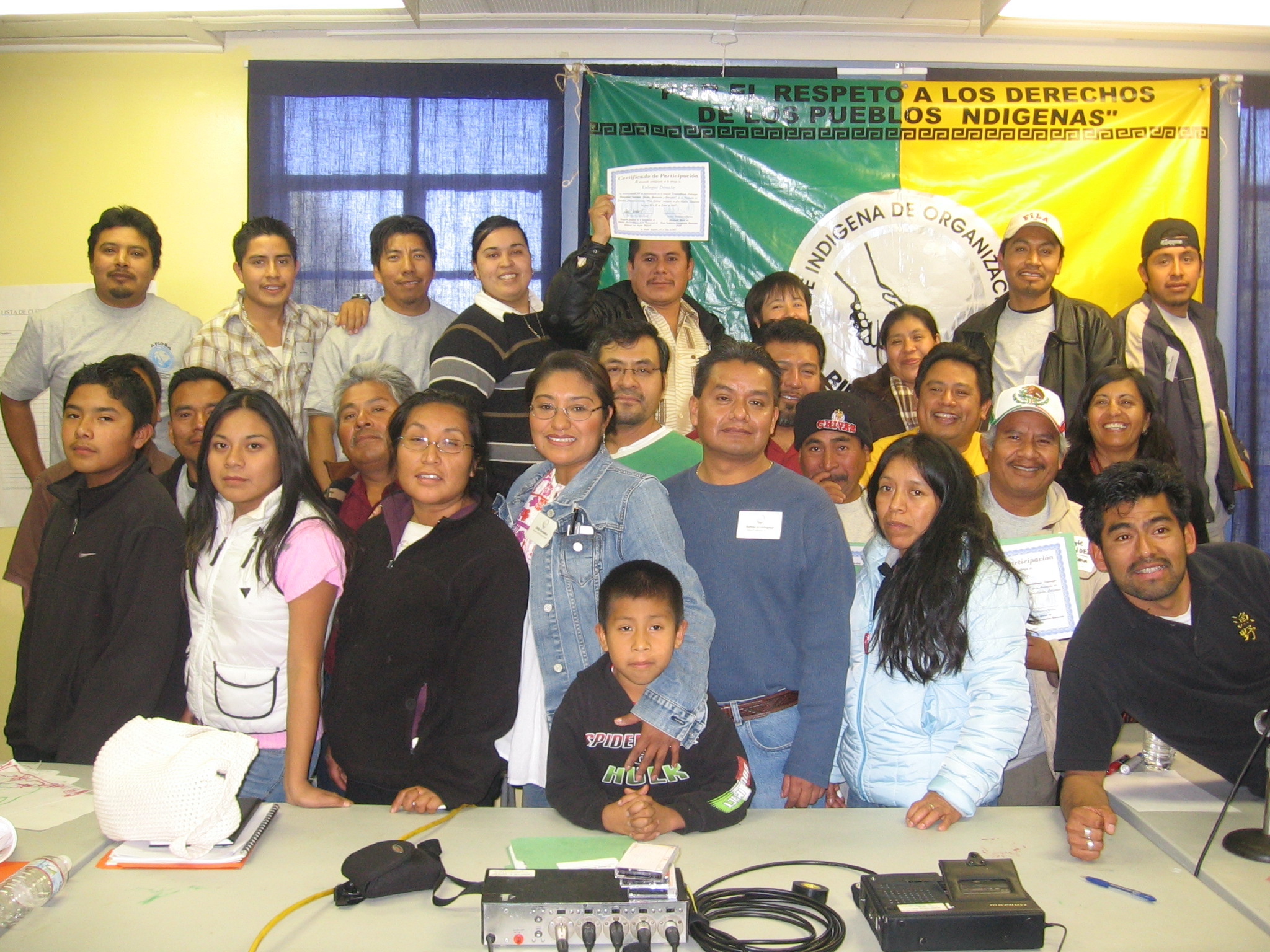
Frente Indígena de Organizaciones Binacionales
Collaborative Research on transborder Indigenous leadership development for women and youth
Queer Legacies, Archives, Films y Más
I have had the privilege to be the co-literary executor for Latina lesbian poet and writer tatiana de la tierra along with Olga García Echeverría. De la tierra’s papers have been archived at UCLA. We were able to assist in republishing of her book Para Las Duras: A Lesbian Phenomenology by Sinister Wisdom in 2018 and worked closely with Sincronía Casa Editorial to publish Redonda y Radical, a book of her collected writings and poems, published in 2022 in Colombia. We have introductory essays in each collection.
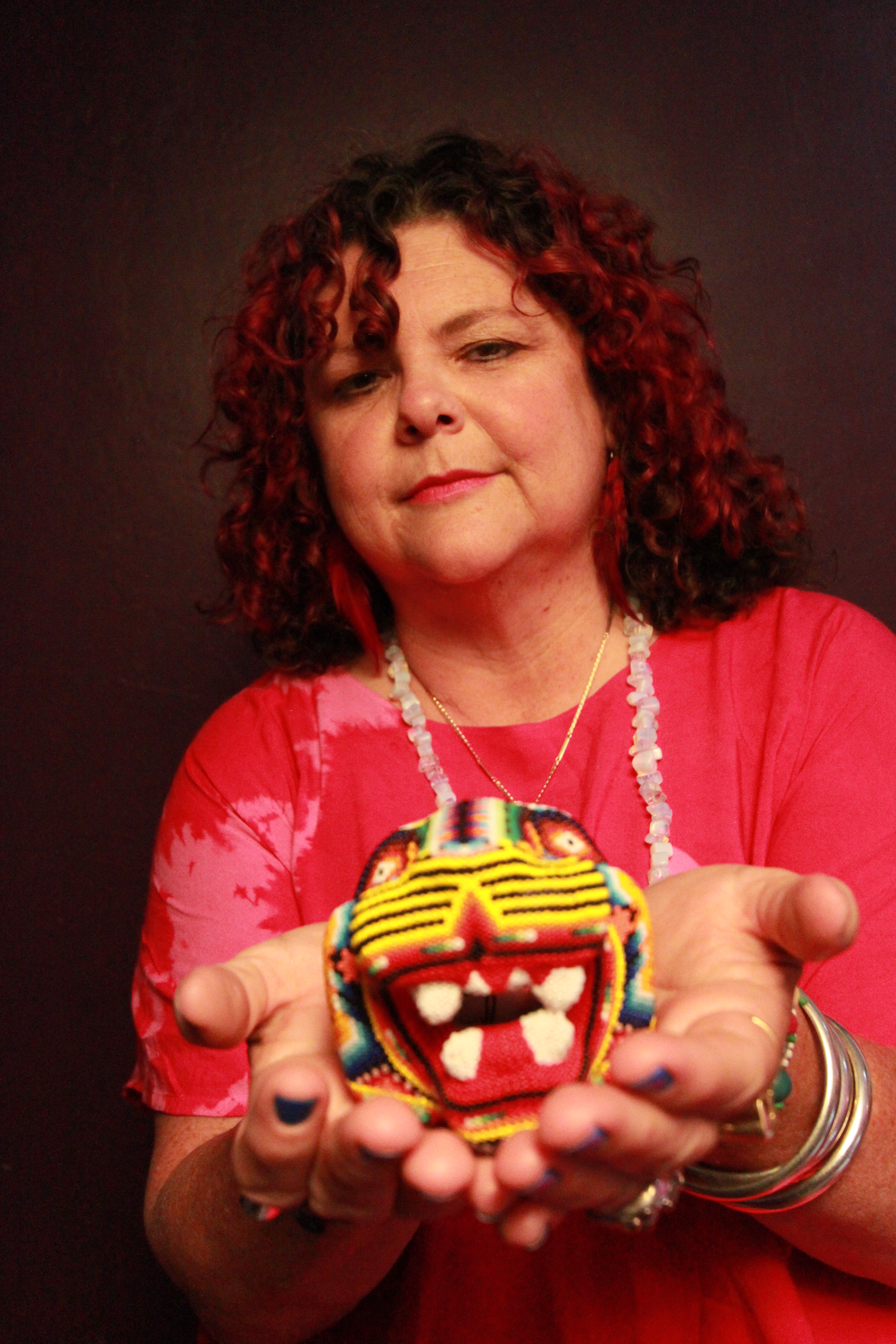
tatiana de la tierra
Photo by Rotmi Enciso
After many years of organizing and collecting, the photographers of La Raza newspaper, later magazine, archived their collections. I served on the advisory board for the La Raza Exhibit at the Autry Museum of the West where 300 of the 5,000 photographic images taken during the decade long the publication’s existence were exhibited. The stunning exhibition catalog features many never before seen images as well as my essay on representations and experiences of women in the Chicano Movement.
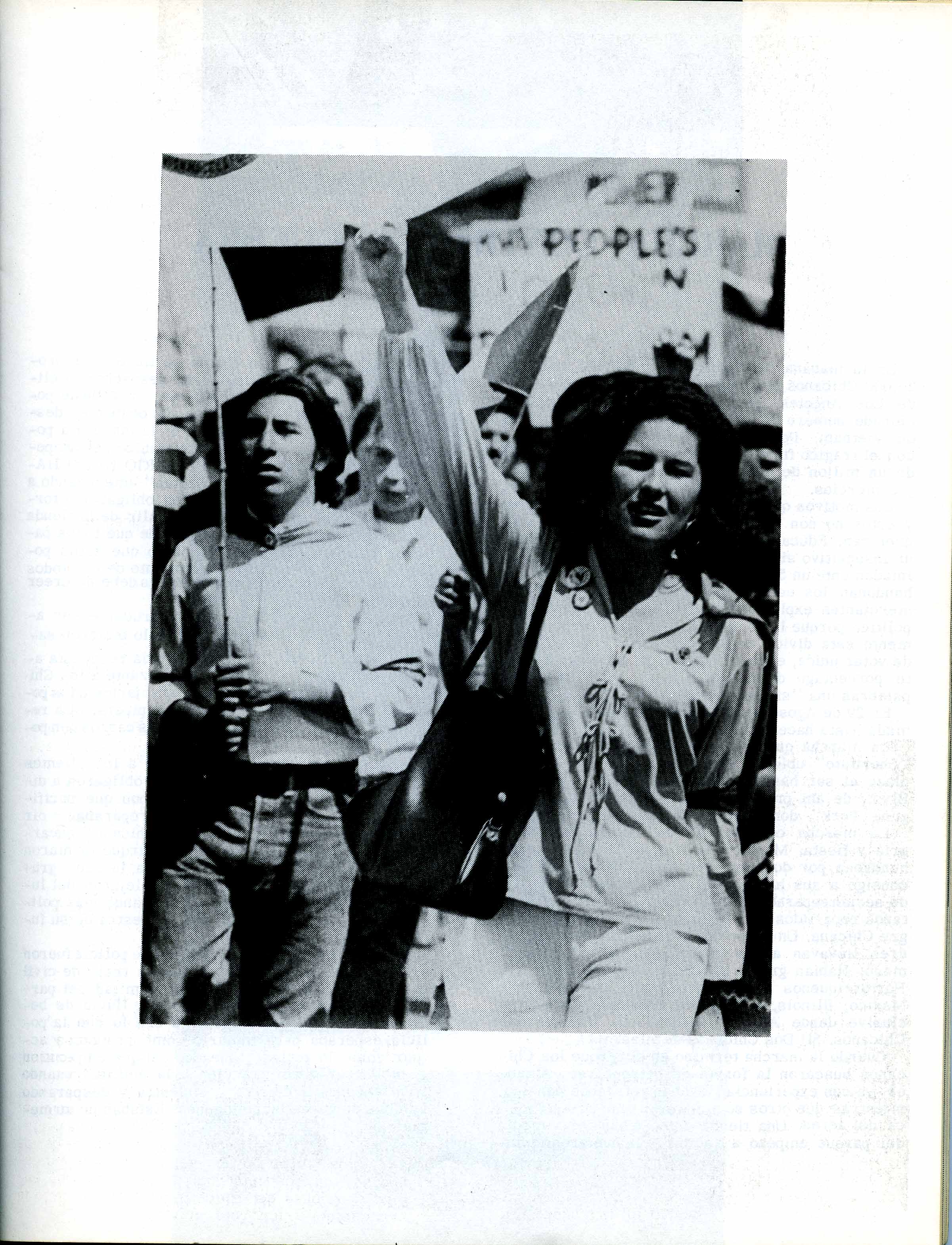
La Raza Volume 1, Number 3 1971
I served as a humanities advisor and made a special guest appearance in the award-winning documentary Ovarian Psychos. The film’s description reads: “Single mom Xela, artist Andi, and newcomer Evie are members of Ovarian Psycos — an unapologetic bicycle crew of young, Latina misfits from Eastside Los Angeles. By the light of the full moon they ride the streets together, seeking sisterhood as protection from the violence in their neighborhoods and broken homes.” What a privilege to work with these chingonas.

 Professor Maylei Blackwell